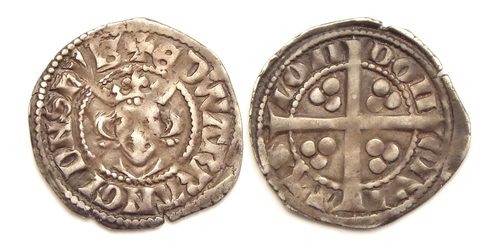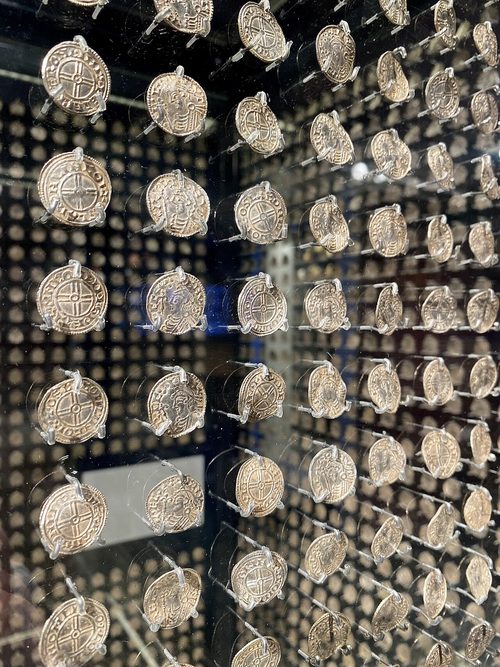
On 26 January 2019 a group of seven metal detectorists, two experienced finders showing five friends the ropes, were searching farmland in the Chew Valley south of Bristol when the signals began to come thick and fast. They had found a hoard of silver pennies from the months straddling the Norman Conquest, and it was reported under the Treasure Act.
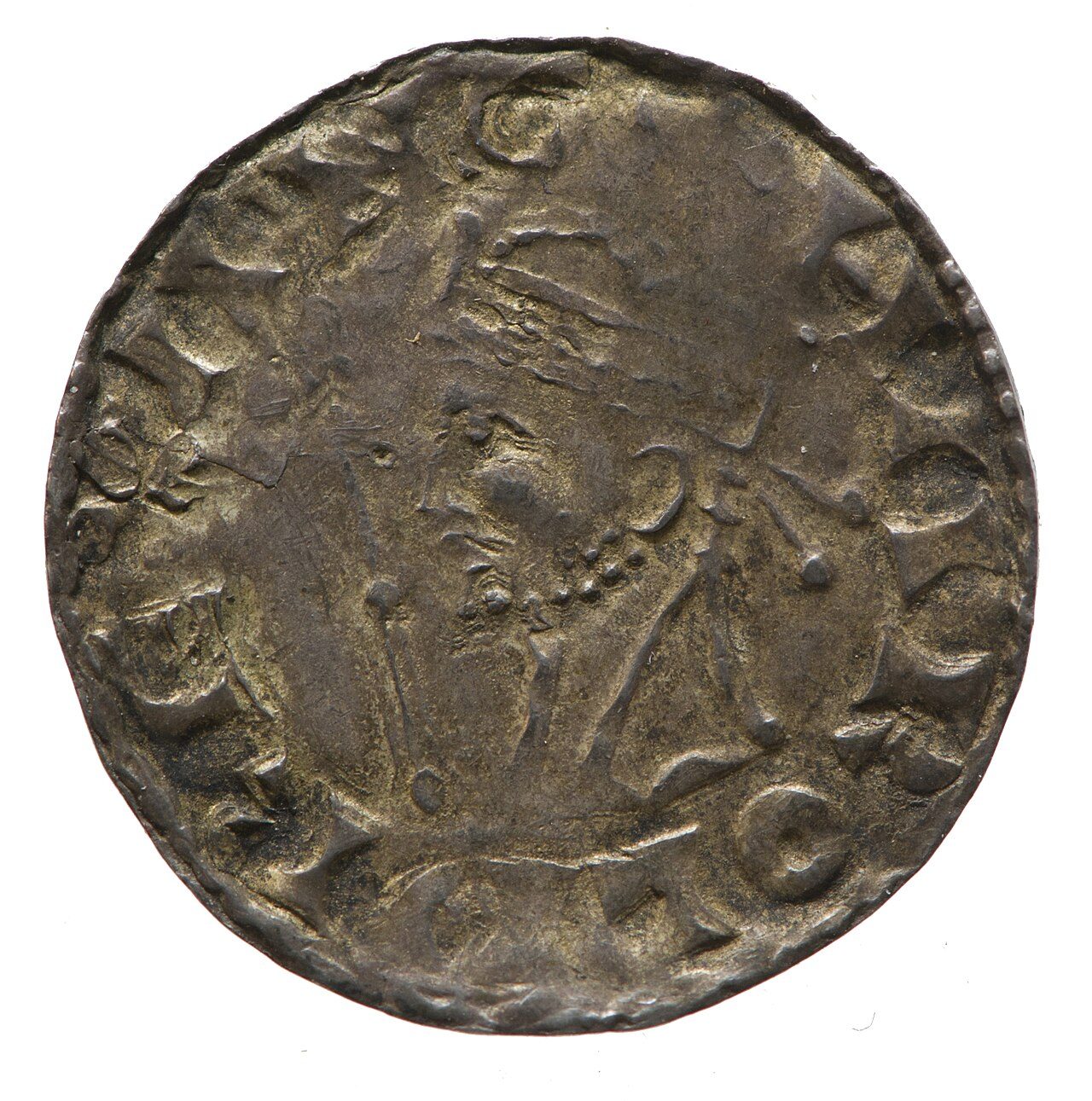
At the British Museum the coins were separated and conserved. The first count in 2019 gave 2,528 pennies; the figure now used by the owners is 2,584. Just under half carry the name and portrait of Harold II, the last crowned Anglo-Saxon king, who reigned for nine months in 1066 before he was killed at Hastings. Nearly all the rest are early coins of William the Conqueror, with a single penny of Edward the Confessor. It is the largest hoard of the period after the Conquest ever found in Britain.
The hoard is a rare view of a monetary system in transition. William kept the English coinage running with the same mints and moneyers, simply changing the king. Some coins are mules, struck with an obverse die of one design and a reverse of another. British Museum curators suggested that some moneyers reused old dies to avoid paying for new ones, an early example of dodging a charge to the Crown. Cut halfpennies, pennies chopped in two to make small change, show the money was in everyday use.
Why it was buried is not recorded. The west of England was unsettled in 1067 and 1068: Eadric the Wild rose with Welsh allies and attacked Hereford; William besieged Exeter; and Harold's sons sailed from Ireland and raided around the mouth of the Avon and parts of Somerset. Any of these could have driven a local landholder or moneyer to put cash in the ground. The coins date the burial to within a year or two of 1066, but not more precisely.
In October 2024 the hoard was valued at £4.3 million, the highest value set for any treasure find in Britain. The South West Heritage Trust bought it with a grant of over £4.4 million from the National Lottery Heritage Fund and £150,000 from the Art Fund, among others. As the Treasure Act provides, the payment went half to the landowner and half to the finders, who split their share seven ways by agreement.
The trust plans a permanent gallery for the hoard at the Museum of Somerset in Taunton Castle, timed for 2027, the thousandth anniversary of William the Conqueror's birth.
Highlights
Over a thousand coins of a king who reigned for nine months in 1066; Harold's pennies carry the word PAX on the reverse.
Coins struck with mismatched dies from two reigns, evidence of how moneyers handled the change of king, and perhaps of moneyers avoiding the cost of new dies.
Pennies cut in half to make change, a sign the money was used in ordinary trade.
What is in it
Silver pennies, almost all of Harold II and of William I's first coin types, with one of Edward the Confessor, some mules combining designs of two reigns, and cut halfpennies.
Size: 2,584 coins (first reported as 2,528).
| Item | Number | Notes |
|---|---|---|
| Pennies of Harold II (1066) | just under half; 1,236 in the 2019 count | The largest group of Harold's coins ever found |
| Pennies of William I | about half; 1,310 in the 2019 count | Early types of the Conqueror |
| Penny of Edward the Confessor | 1 | |
| Mules and cut halfpennies | some | Mules pair one king's obverse with a reverse die of another reign |
Photographs
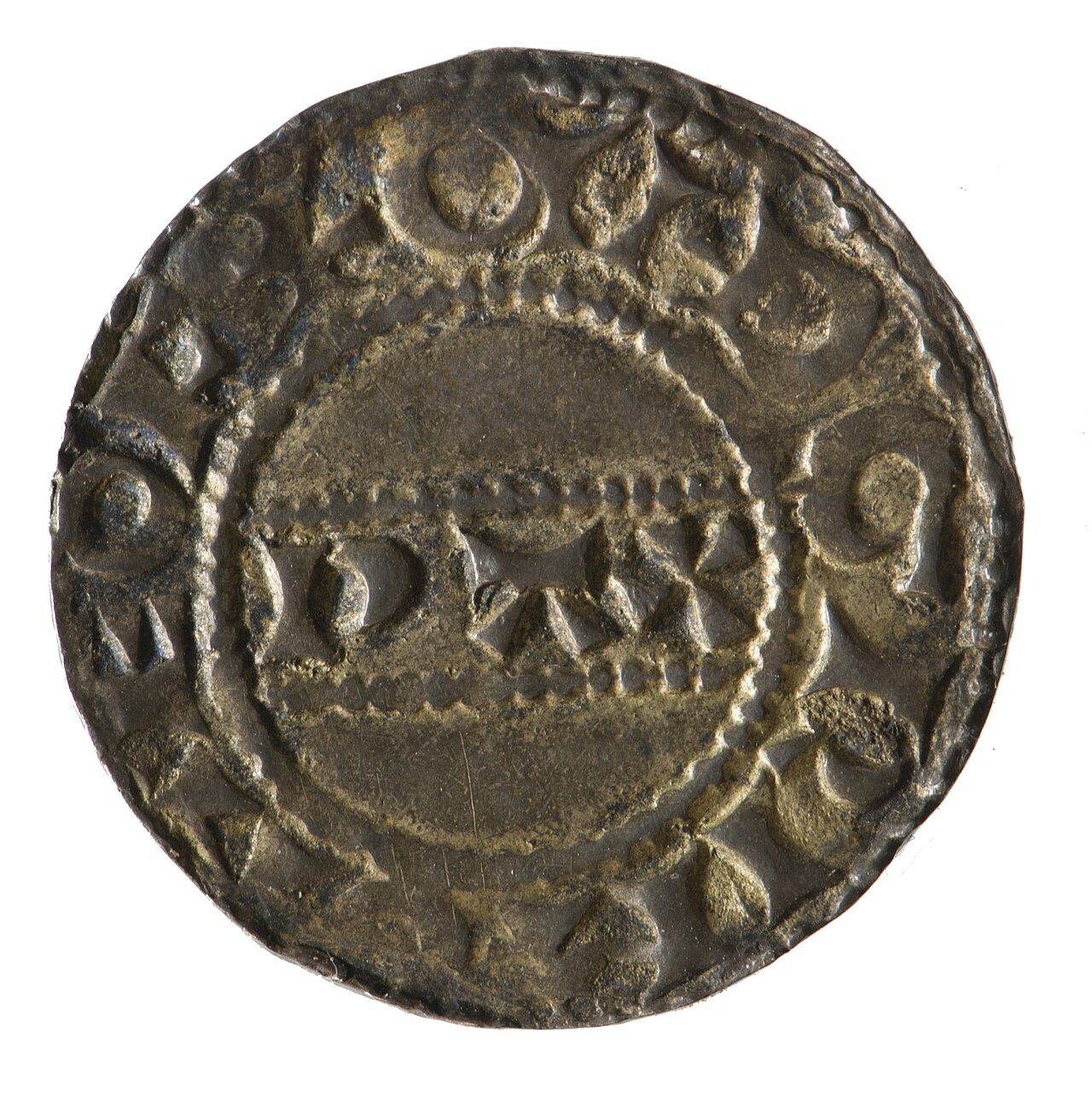
Photo: ed by: York Museums Trust Staff, CC BY-SA 4.0, via Wikimedia Commons
How it is dated
The coins end with William I's early types and include large numbers of Harold II's single issue of 1066, which places the burial in about 1067-68. The disturbances in the West Country in those years provide plausible occasions but are not proof.
What happened after the find
Reported under the Treasure Act 1996 and valued at £4.3 million in 2024. The South West Heritage Trust acquired it with National Lottery Heritage Fund and Art Fund support, and the reward was split equally between landowner and finders.
Where sources differ
- Coin total: 2,528 in 2019 reports and Wikipedia; 2,584 in BBC (2024) and South West Heritage Trust (2025) statements.
- The 2019 split of 1,236 Harold II and 1,310 William I sums to 2,546, matching neither total.
- The tax-avoidance reading of the mules is a curatorial suggestion reported in the press.
- Display schedule (Roman Baths Jan-Mar 2027, Taunton from spring 2027) is as announced in December 2025 and may change.
Questions
Where can I see the Chew Valley Hoard?
It belongs to the South West Heritage Trust. After display at the British Museum, it is due at the Roman Baths in Bath from January to March 2027 and at the Museum of Somerset in Taunton from spring 2027, where a permanent gallery is planned.
How much is the Chew Valley Hoard worth?
It was valued at £4.3 million in 2024, the highest valuation for any treasure find in the UK. The money was split between the landowner and the seven finders.
Why is the Chew Valley Hoard important?
It is the largest hoard from the years after the Norman Conquest found in Britain, with over a thousand coins of Harold II, and it shows how England's coinage carried on, and changed, in the first years of William I's reign.