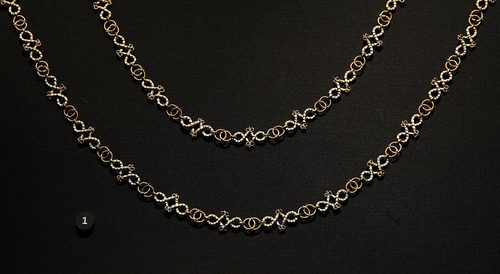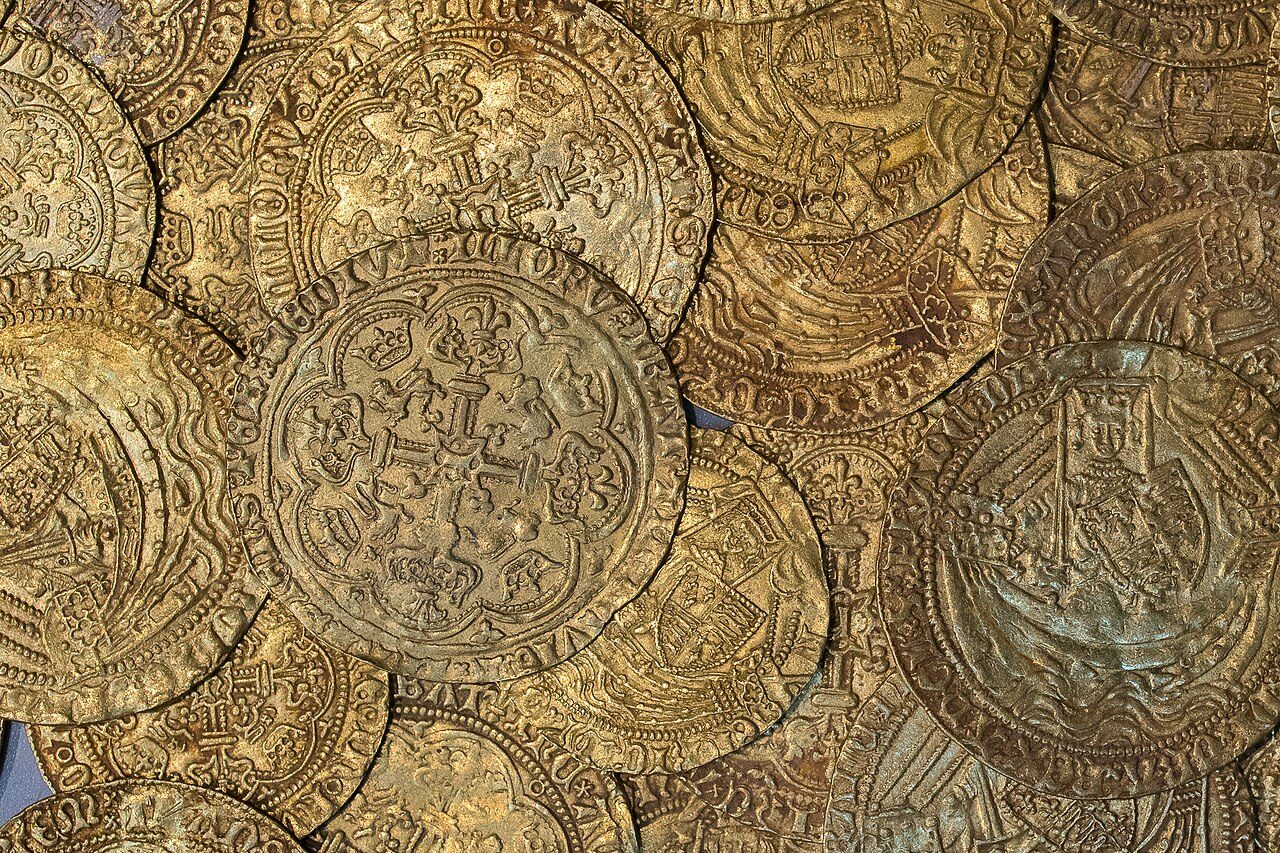
In 1966 workmen on a building site in Nottinghamshire, in an area then called Fishpool on the edge of what is now Ravenshead, turned up a mass of gold coins and jewellery. It proved to be the largest hoard of medieval coins ever found in Britain: 1,237 gold pieces, with four rings, four other jewels and two lengths of gold chain.
The British Museum reckons the face value at about £400 when it was buried, a sum it likens to roughly £300,000 today. Ordinary medieval hoards are far smaller, because the rich kept their wealth in strongrooms rather than in the ground. A sum this large, hidden in the woods, points to an emergency.
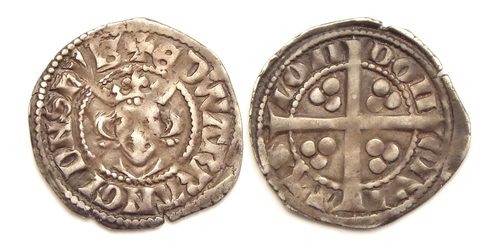
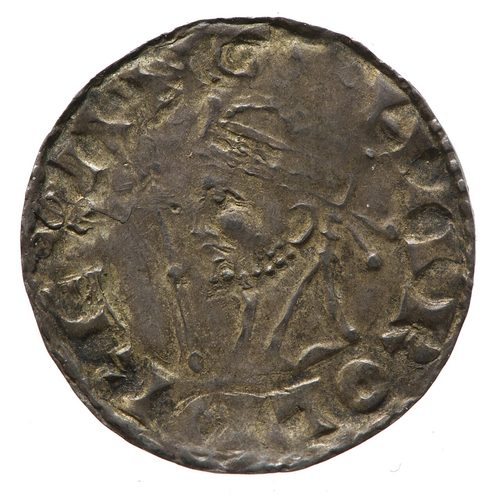
The coins pin that emergency down closely. Most are English nobles and their halves and quarters, running from Edward III (1327-77) to Edward IV. The 63 coins of Edward IV are all of a type issued between 1460 and August 1464, and none of his later issues is present, so the hoard went into the ground between about winter 1463 and summer 1464. Another 223 coins are foreign: gold of James II of Scotland, Charles VII of France and Philip the Good, Duke of Burgundy. Those are exactly the places where Margaret of Anjou was raising money for her husband, the deposed Lancastrian king Henry VI, in 1461-63.
That match has led the British Museum to suggest that the hoard was part of the Lancastrian war chest, carried south by someone escaping after the Lancastrian defeat at Hexham on 15 May 1464 and hidden deep in Sherwood Forest. It is a strong circumstantial case, not a proof; no document names the owner.
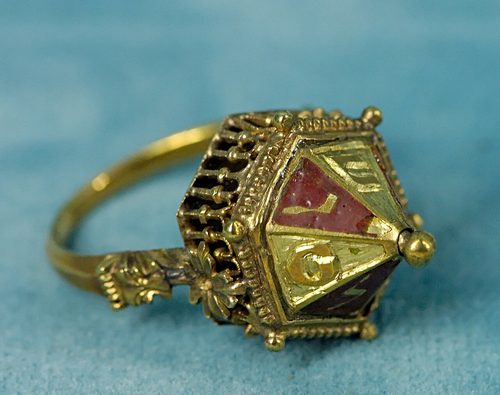
The jewellery is small and personal. A heart-shaped brooch carries the French motto "je suys vostre sans de partier", roughly "I am yours wholly". A tiny enamelled padlock pendant reads "de tout" on one side and "mon cuer" on the other: "of all... my heart". One ring is set with a turquoise, a stone believed to guard its wearer against drowning, poison and falls from a horse. The rings are thought to be English work, while some other pieces may come from Flanders.
For numismatists the hoard also showed that older gold stayed in use for decades: heavy nobles struck before the weight reduction of 1412 were still circulating alongside lighter later coins. A few near-contemporary forgeries of Henry VI's gold, plated over base metal, had slipped into the savings too.
Highlights
A small gold brooch inscribed in French "je suys vostre sans de partier", a lover's promise.
A miniature enamelled padlock reading "de tout" and "mon cuer", a jewel that literally locks up the giver's heart.
A gold ring set with a turquoise, the stone thought to protect against drowning, poison and riding accidents.
Sixty-three coins of the new Yorkist king, all of his early type, which date the burial to 1463-64.
What is in it
A fortune in gold coin, mostly English nobles, half-nobles and quarter-nobles with some Scottish, French and Burgundian pieces, buried with four rings, four other jewels and two lengths of gold chain.
Size: 1,237 coins plus 10 pieces of jewellery and chain.
| Item | Number | Notes |
|---|---|---|
| English gold coins | about 1,014 | Nobles, half-nobles and quarter-nobles from Edward III (1327-77) to Edward IV, including 63 of Edward IV; a few near-contemporary gold-plated forgeries of Henry VI |
| Foreign gold coins | 223 | James II of Scotland, Charles VII of France and Philip the Good, Duke of Burgundy |
| Rings | 4 | Gold; one set with a turquoise; thought to be English |
| Other jewellery | 4 | Three pendants (one a tiny enamelled padlock) and a heart-shaped brooch; some perhaps Flemish |
| Gold chain | 2 lengths |
Photographs
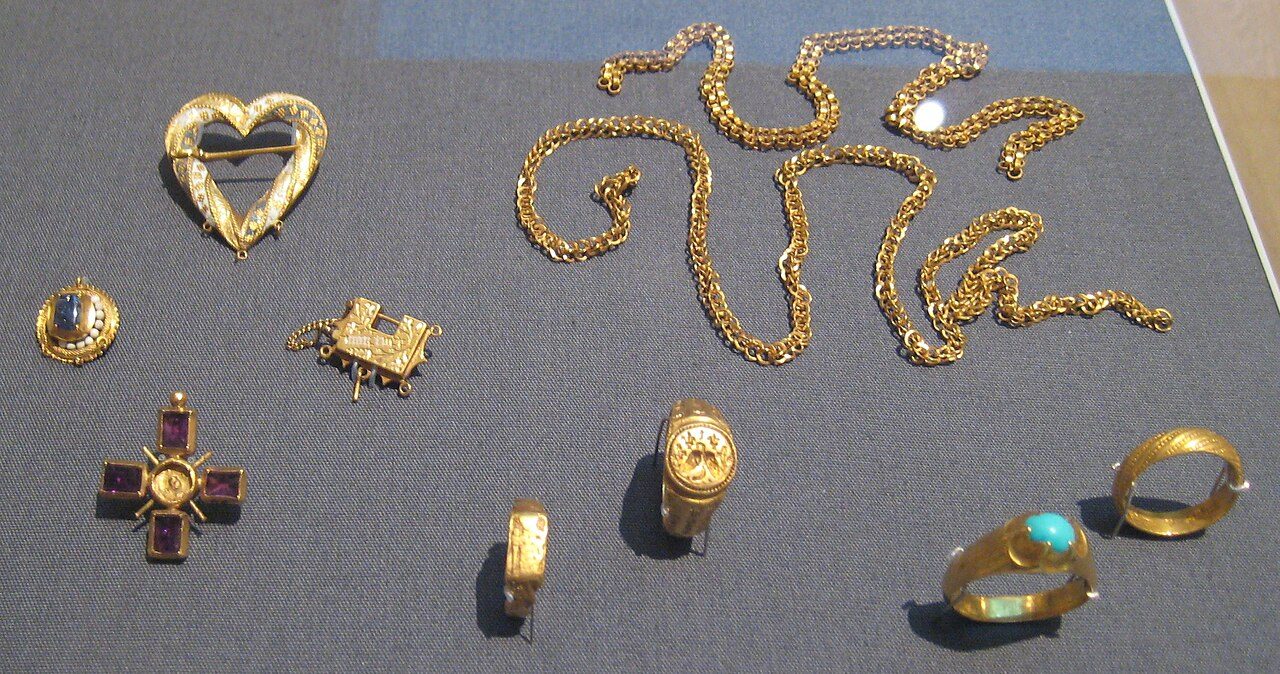
Photo: Unknown, CC0, via Wikimedia Commons
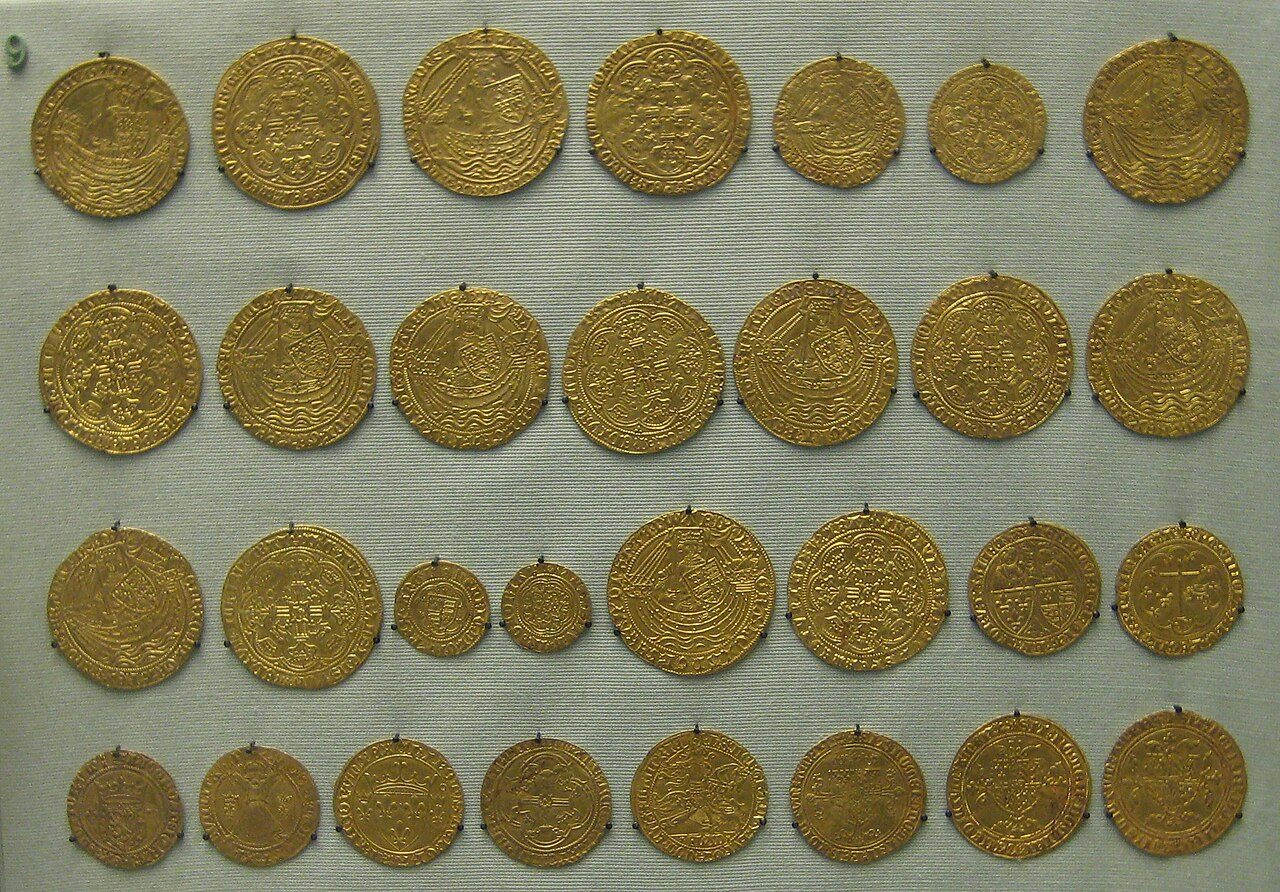
Photo: Unknown, CC0, via Wikimedia Commons
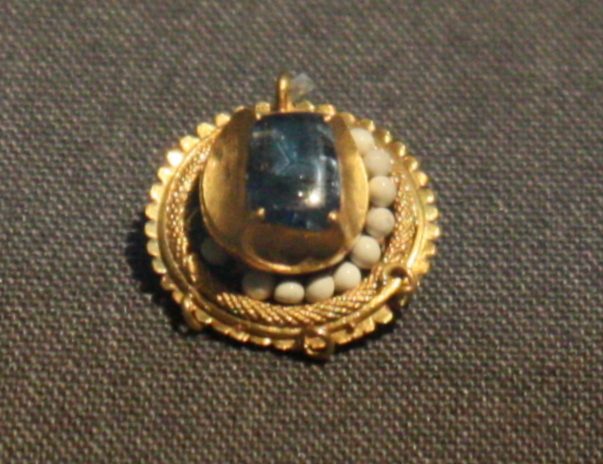
Photo: Unknown, CC BY 2.0, via Wikimedia Commons
How it is dated
The 63 Edward IV coins all belong to the type struck from 1460 until August 1464, and none of his later coinage appears, which brackets the burial between about winter 1463 and summer 1464. The mix of Scottish, French and Burgundian gold matches the lands where the Lancastrian queen raised funds in 1461-63, which supports a link to the failed Lancastrian rising of 1464.
What happened after the find
A find of hidden gold coin in 1966 fell under the old common law of treasure trove; the hoard was acquired by the British Museum, whose coin registrations date from 1968. Details of the inquest and reward were not checked.
Where sources differ
- The exact find date in 1966 and the finders' circumstances were not confirmed beyond 'workmen on a building site'.
- The link to Lancastrian funds after the Battle of Hexham is the British Museum's suggestion, not proven.
- The figure of about 1,014 English coins is derived (1,237 minus 223 foreign), not stated directly by a source.
- Treasure trove inquest details and reward were not verified.
Questions
Where is the Fishpool Hoard now?
In the British Museum in London, which has shown it in Room 40, the medieval Europe gallery. Coins and jewellery are displayed together.
Why was the Fishpool Hoard buried?
Nobody recorded it, but the coins date the burial to 1463-64, during the Wars of the Roses. The British Museum suggests it was Lancastrian money hidden in Sherwood Forest by someone fleeing south after the Battle of Hexham in May 1464.
How much was the Fishpool Hoard worth?
About £400 in face value when it was buried, which the British Museum compares to around £300,000 today. That was a huge sum for the time.