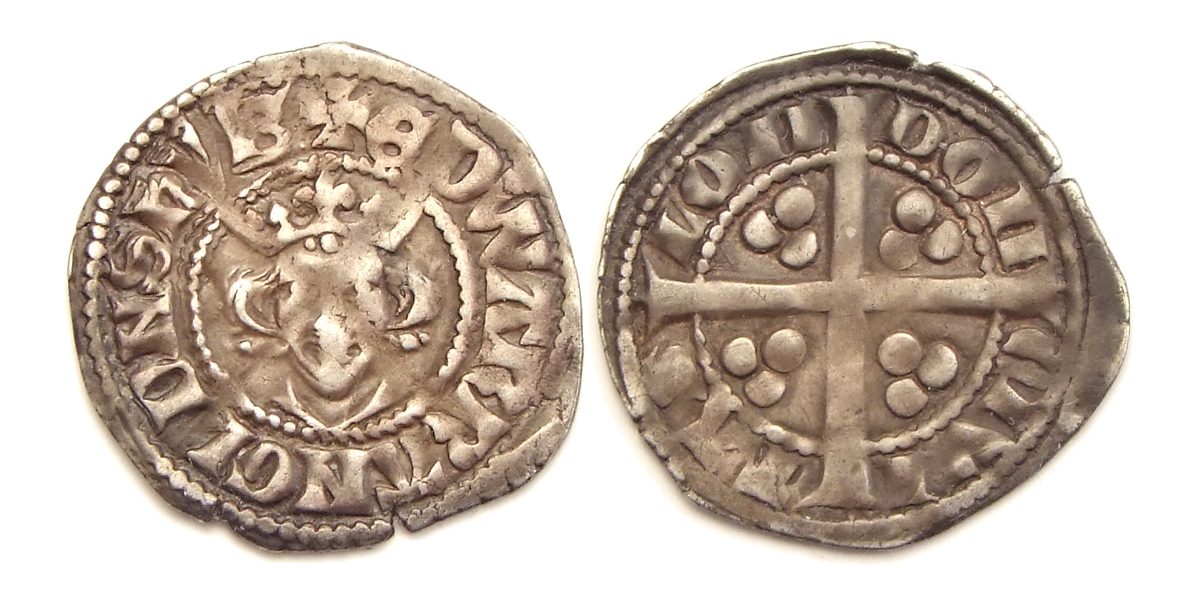
In June 1831 workmen employed by a Tutbury cotton mill were cutting away a bank of gravel and sand that choked the River Dove a short way below the bridge. Their spades turned up silver pennies, then more, then a seam of coins so dense that the news brought crowds from miles around. At the height of the rush hundreds of people were digging in the riverbed at once.
Nobody ever counted the find. Local estimates reported in 1831 put it at no fewer than 200,000 coins, and later writers give figures up to 360,000, which would make it the largest coin hoard ever found in Britain. Most of it vanished at once into the pockets of local collectors or the melting pots of silver dealers.
The land belonged to the Honour of Tutbury, part of the Duchy of Lancaster, so the coins counted as treasure trove belonging to the king. The Duchy issued a commission claiming the hoard, banning unauthorised digging and appointing officers to search, while promising that nobody would be prosecuted for coins taken before then. The official search produced about 1,500 silver pennies and a single gold ring, a small fraction of the whole.
Those 1,500 coins went to Edward Hawkins, Keeper of Antiquities at the British Museum, who described them to the Society of Antiquaries in December 1831. They were almost all pennies of Edward I and Edward II from a dozen English mints, with a few Scottish pennies of Alexander III and John Balliol and some Continental imitations of English sterlings. The latest pieces, including Durham pennies of Bishop Beaumont and imitations in the name of John of Bohemia, showed that the hoard was put together after 1321, while the absence of anything of David II of Scotland suggested it was lost before 1329.
Hawkins argued that so vast a sum was no private nest egg but a military chest, and he pointed to Thomas, Earl of Lancaster, the king's cousin and leader of the baronial opposition. In March 1322 Lancaster held the bridge at Burton upon Trent against Edward II. When the king's forces crossed the Trent upstream and outflanked him, Lancaster fell back through Tutbury, where his castle stood, and fled north. He was captured at Boroughbridge days later and executed. The Dove had to be crossed in that retreat, swollen by recent rains and with no bridge at the time; Hawkins suggested the treasure was lost at the ford in the confusion. Others have proposed it was hidden deliberately. Either way, the date and place fit Lancaster's flight closely.
The episode is also a lesson in what is lost when a hoard is dug for its metal: the container, the exact findspot and the composition of the whole deposit went unrecorded, and a sample of perhaps one coin in a hundred survives to tell the story.
Highlights
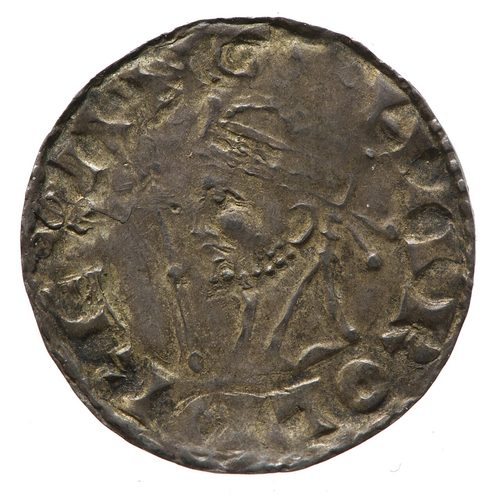
Coins struck at Durham under Louis de Beaumont, bishop from 1317, among the latest in the sample and key to the dating.
A Continental copy of the English penny struck in the name of John, king of Bohemia, which cannot be earlier than 1321.
The only object other than coins recorded from the Duchy's official search.
What is in it
An enormous mass of silver pennies of Edward I and Edward II, with some Scottish pennies and Continental imitations, and one gold ring. Most were carried off and melted in 1831; about 1,500 were recovered for the Crown.
Size: estimated 100,000 to 360,000 coins (no count was ever made).
| Item | Number | Notes |
|---|---|---|
| English pennies of Edward I and Edward II | the great majority | Mints including London, Canterbury, Durham, Bristol, York, Newcastle, Bury St Edmunds, Exeter, Kingston and Berwick |
| Scottish pennies | a few | Alexander III and John Balliol; coins of Robert the Bruce were reported but not seen by Hawkins |
| Foreign sterlings | a few | Imitations struck in the names of Gualeran of Luxembourg, Robert of Flanders and John of Bohemia |
| Gold ring | 1 | Found during the Duchy's official search |
| Recovered for the Crown | about 1,500 coins | Examined by Edward Hawkins of the British Museum in 1831 |
Photographs
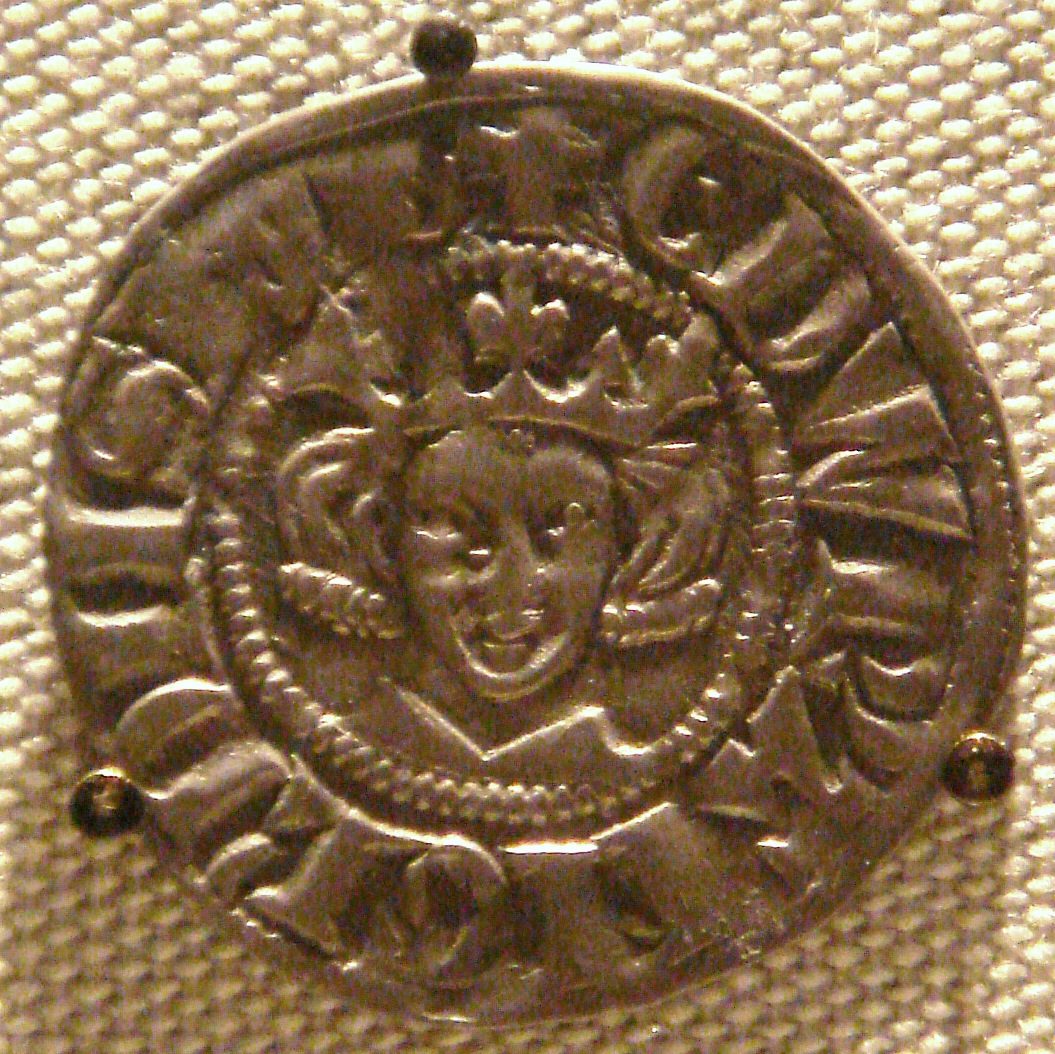
Photo: PHGCOM, Public domain, via Wikimedia Commons
How it is dated
Edward Hawkins, examining about 1,500 coins in 1831, found pieces that cannot be earlier than 1321 and nothing that needs to be later than the death of Edward II, with no coins of David II of Scotland (1329 on). He placed the loss between 1321 and 1329 and linked it to the Earl of Lancaster's retreat after the fighting at Burton Bridge on 7-10 March 1322.
What happened after the find
The riverbed lay in the Honour of Tutbury, part of the Duchy of Lancaster, so the hoard was treasure trove of the Crown. A Duchy commission claimed it, stopped unauthorised digging and recovered about 1,500 coins and a gold ring, while waiving prosecution for coins taken earlier.
Where sources differ
- Total size is unknown: Hawkins reports local estimates of not less than 200,000; modern summaries give 100,000 to 360,000.
- The exact day in June 1831 is uncertain (a local blog says 1 June).
- Whether the treasure was lost by accident at the ford (Hawkins) or hidden on purpose is unresolved; the Lancaster link is circumstantial.
- Present holdings beyond the British Museum (e.g. the Potteries Museum) are reported, not confirmed.
- There is no Wikipedia article or Wikidata item specifically for this hoard.
Questions
How many coins were in the Tutbury Hoard?
Nobody knows. In 1831 local people estimated at least 200,000 silver pennies, and later accounts go as high as 360,000, but most were taken and melted before any count. Only about 1,500 were recovered for the Crown.
Who lost the Tutbury Hoard?
The most likely candidate is Thomas, Earl of Lancaster, who retreated through Tutbury after the fighting at Burton Bridge in March 1322. The coins date to just that time, and the sum is far too large for a private person.
Can you see the Tutbury Hoard today?
Only in fragments. Coins from it are in the British Museum and some other collections, but the hoard as a whole was dispersed in 1831.