Hoards by period
People buried valuables in every age, but not in the same way or for the same reasons. Each period page explains what hoarding meant then and lists the hoards from it.
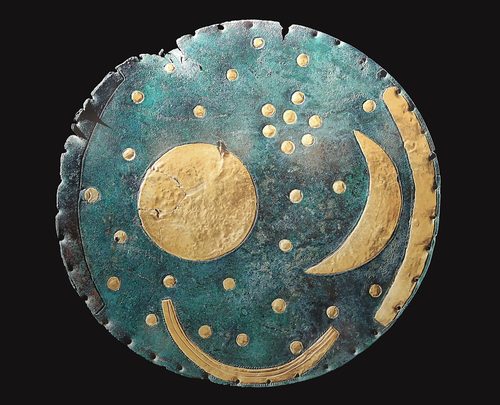
Bronze Age
Axes, swords, gold rings and raw metal, buried in pits, bogs and lakes long before coins existed: how Bronze Age hoards work and why they were left.
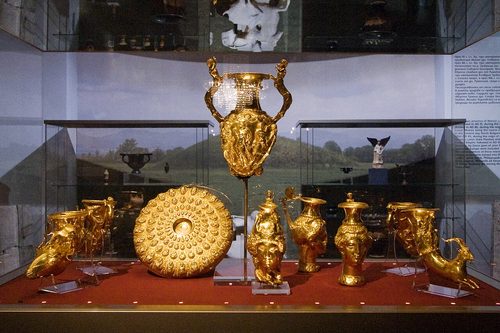
Iron Age & classical
Celtic torcs and coins, Thracian gold and Greek silver: hoards from the first coin economies of Europe, c. 800 BC to the Roman conquest.
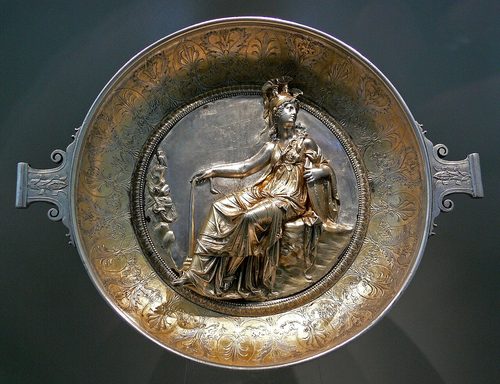
Roman
Pots of tens of thousands of coins, chests of silver plate, gold solidi: how and why hoards were buried across the Roman Empire, AD 1 to c. 450.
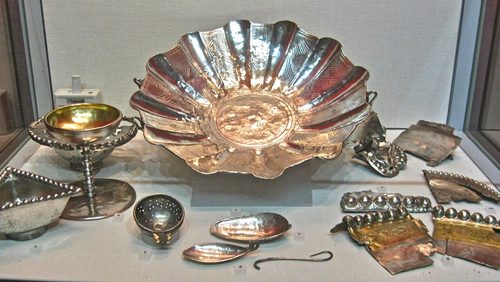
Migration period
Chopped Roman silver, Gothic gold and Scandinavian bracteates: hoards from the centuries when Roman wealth flowed beyond the frontiers, c. 400-600.
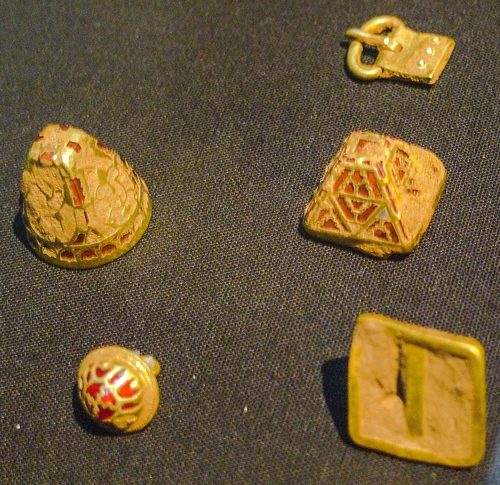
Early medieval
Stripped sword fittings, Pictish silver and hidden church plate: hoards from Anglo-Saxon, Celtic and steppe Europe in the age of kingdoms, c. 600-800.
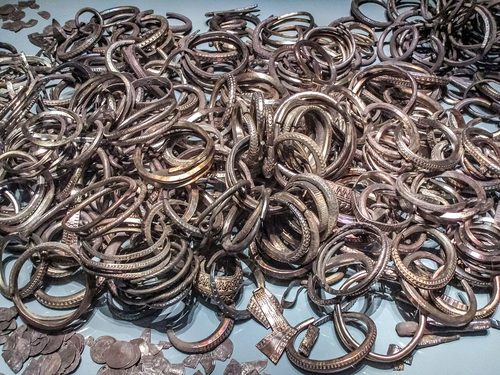
Viking age
Hacksilver, arm-rings, ingots and Islamic dirhams, weighed out on folding scales: how Viking-age hoards worked, from Gotland to the Ribble, c. 800-1100.
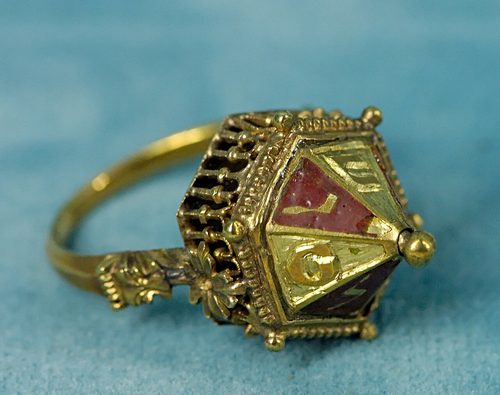
Medieval
Coins in cellar walls, Jewish treasures hidden in the Black Death, gold from the Wars of the Roses: medieval hoards and the crises behind them, 1100-1500.
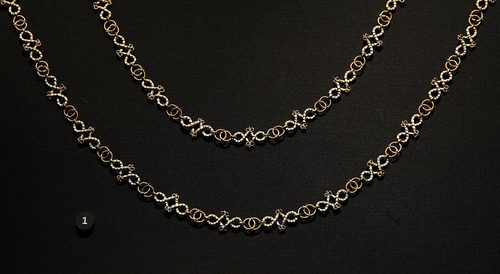
Early modern & later
A goldsmith's stock under a London cellar, Civil War savings in pots, gold coins in California cans: hoards from 1500, when banks were few and wars many.