Sterling pennies, groats and the gold florins, ducats and nobles that fill hoards from about 1100 to 1500, and how their weights date a find.
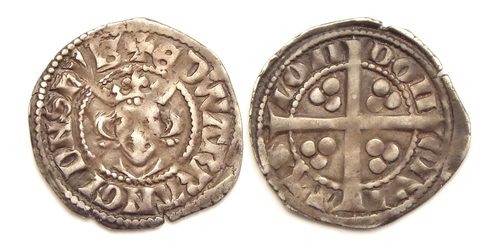
For most of the Middle Ages an English hoard is a hoard of pennies. From the 12th century to the 15th the silver penny was the only coin most people ever handled, struck in sterling silver of 92.5 per cent purity at 240 to the Tower pound. Under Edward I's new coinage of 1279 each penny was meant to weigh 22.5 grains, a little under 1.5 g. Small change was made with shears: the long-cross penny of 1247 carried its cross right out to the rim, which made clipping obvious and gave a guide for cutting the coin into halves and quarters. Edward's reform struck round halfpennies and farthings in quantity, and cut fractions fade out of finds soon afterwards.
Bigger coins came back in the 13th and 14th centuries. The groat, worth fourpence and modelled on the French gros tournois, was tried by Edward I in 1279 but only became a regular English coin in 1351. Gold returned to western Europe with the florin of Florence in 1252, about 3.5 g of almost pure gold with a lily on one side and St John the Baptist on the other, and the ducat of Venice in 1284, with the doge kneeling before St Mark. Both were trusted far beyond their home cities, and the florin was copied by scores of other mints. England's lasting answer was Edward III's noble of 1344, valued at six shillings and eightpence (a third of a pound) and showing the king standing in a ship, usually read as a reference to the naval victory at Sluys in 1340.
Medieval coins are easy to tell from earlier ones once you know the habits. They are thin, hammered by hand between two dies, and often slightly off-round. English pennies name the king and, from 1279, usually spell out the mint in full (CIVITAS LONDON, 'city of London') instead of the moneyer; tiny privy marks in the design identify the issue. Weight is the other clue. The penny standard was cut to 18 grains in 1351, 15 grains in 1412 and 12 grains in 1464, as the crown kept English silver from being worth more abroad than at home, and gold coins were lightened in step. A cataloguer who weighs and sorts a hoard's coins into these issues can usually say within a few years when it closed.
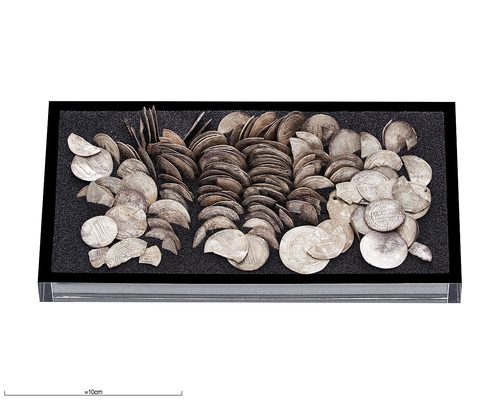
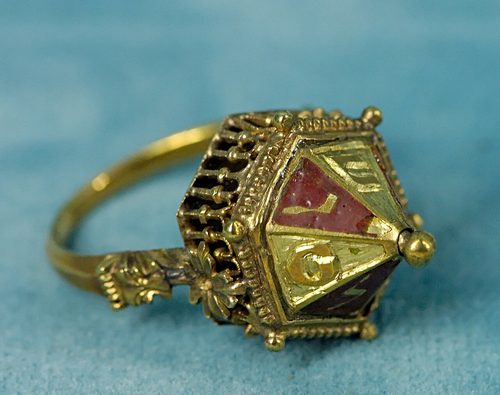
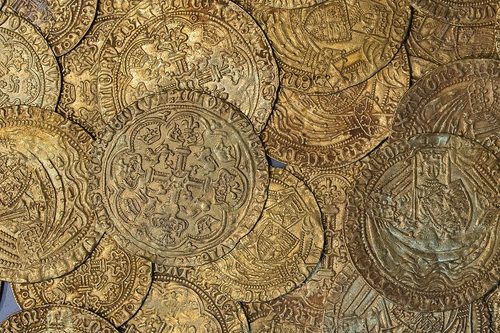
Hoards of this period mostly record private savings hidden in a crisis. The Fishpool hoard from Nottinghamshire, 1,237 gold coins with rings and chains, closes in 1464 and is usually tied to the Wars of the Roses; it also showed that older, heavier nobles stayed in circulation long after the light coinage of 1412. On the continent the Black Death left a grim cluster of hoards in Jewish quarters: Erfurt held 3,141 French gros tournois, Środa Śląska some 3,000 Prague groschen and 39 gold florins. Each mix of coins shows which money actually crossed a given town's counters, which documents rarely say.
Examples
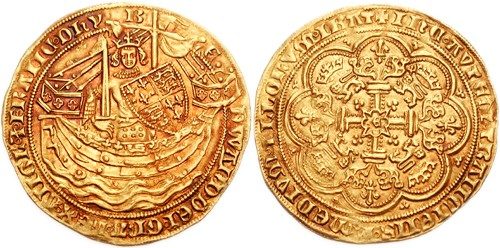
Photo: Unknown author, CC BY-SA 3.0, via Wikimedia Commons
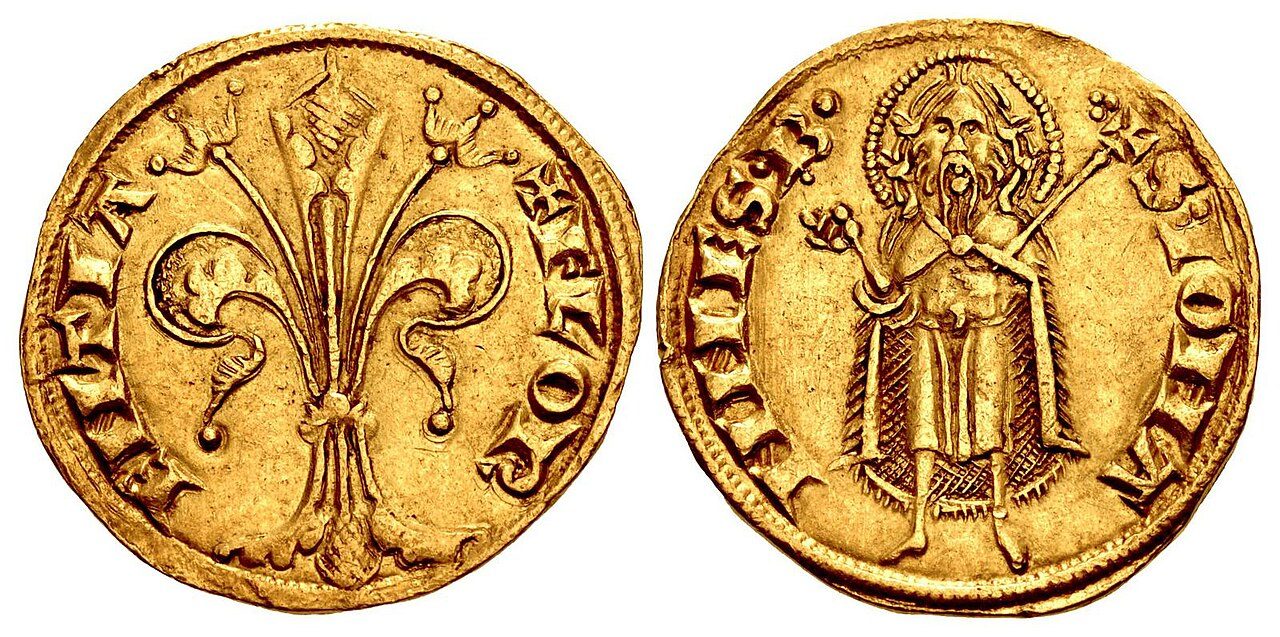
Photo: CNG, CC BY-SA 2.5, via Wikimedia Commons
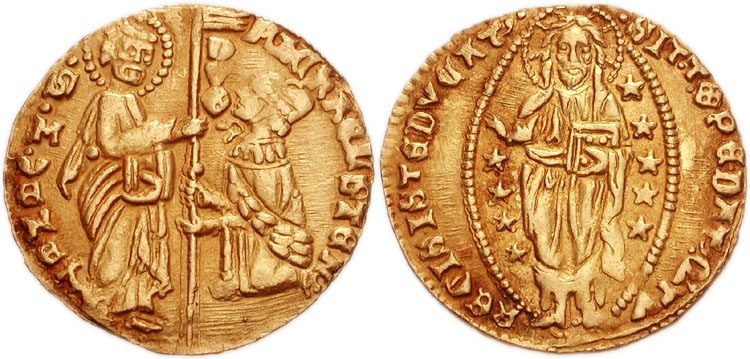
Photo: CNG, CC BY-SA 3.0, via Wikimedia Commons
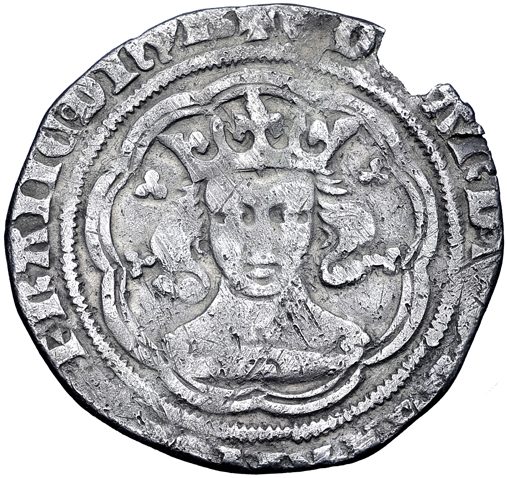
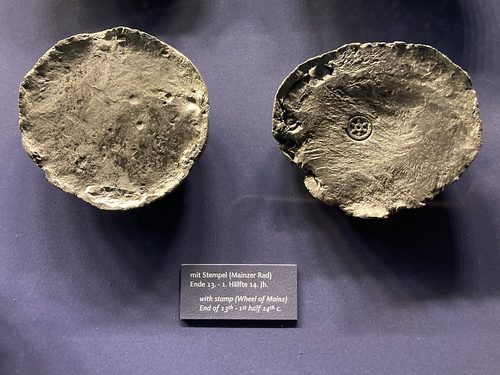
Photo: Rasiel Suarez, CC BY-SA 3.0, via Wikimedia Commons