On 8 November 1774 tin-streamers working in the valley below Trewhiddle, a mile south of St Austell in Cornwall, broke into a heap of loose stones about seventeen feet down. Mixed in with them were silver coins and a cluster of metalwork. Philip Rashleigh, a Cornish landowner and mineral collector, gathered what he could at his house at Menabilly and published an account. He was not quick enough to save everything: some coins went astray, and the chalice, which may have been intact when it was found, survived only in damaged form.
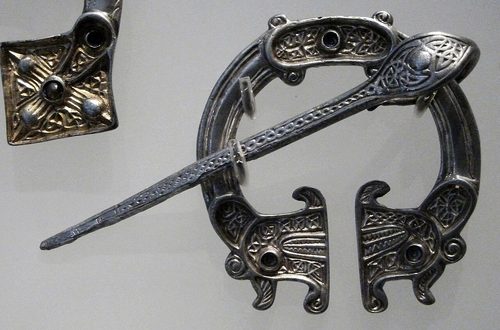
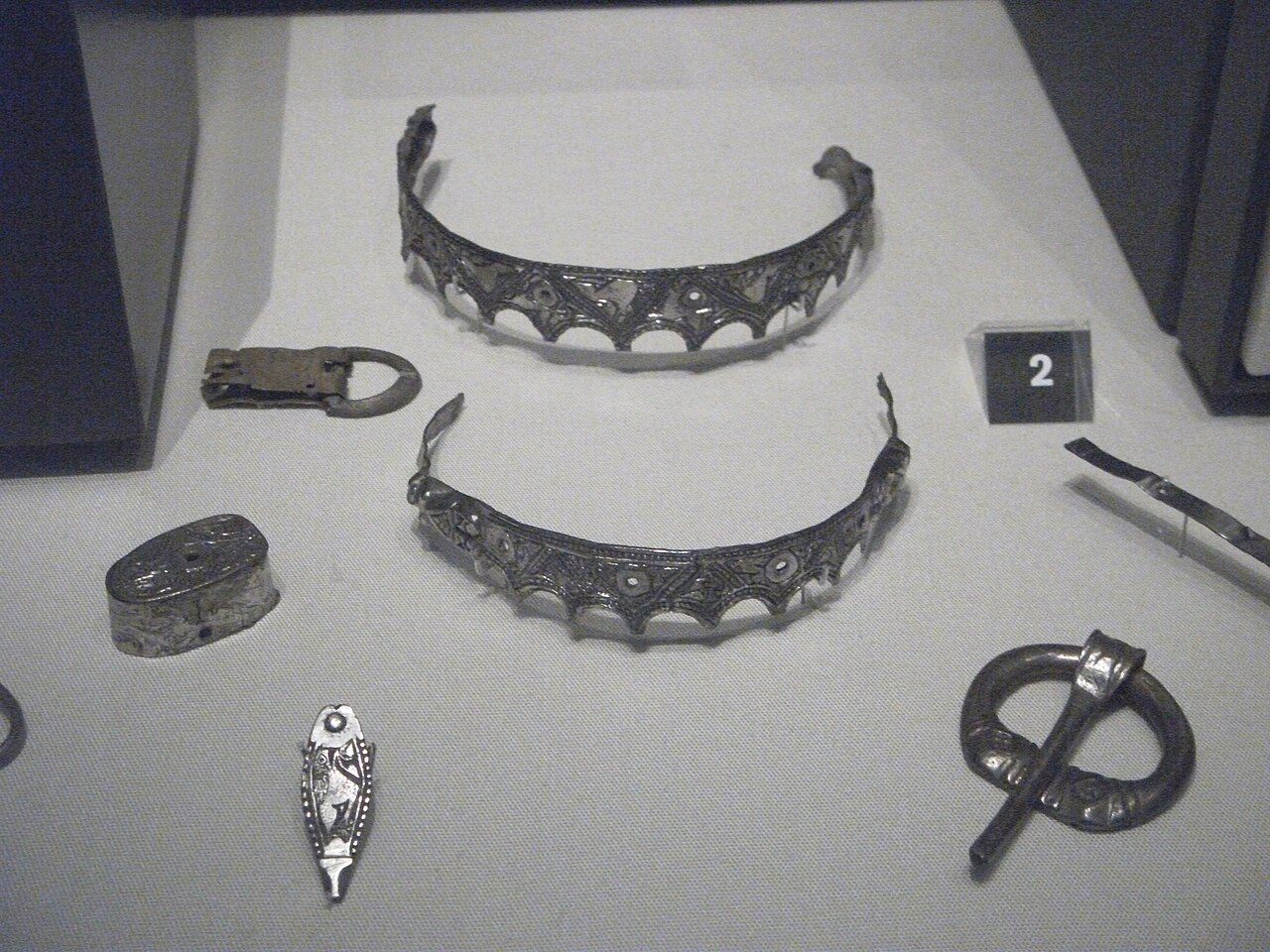
The coins were silver pennies of the 9th century, at least 114 of them, mostly struck for the kings of Mercia and Wessex. With them came a silver chalice with a gilded interior, the only Anglo-Saxon silver chalice known from Britain, and a scourge: a whip of fine silver wire knitted into cords and gathered into a knotted head, an object with no early medieval parallel. The rest was small personal metalwork, strap-ends, pins, mounts and a penannular brooch, much of it in silver decorated with black niello.
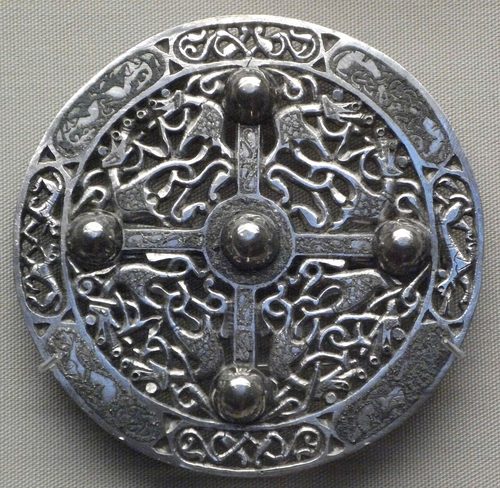
That niello work is the hoard's lasting claim to fame. Its craftsmen filled small panels with lively, slightly comic beasts, leaves and interlace engraved into the silver and set off against the black inlay. Art historians took the name Trewhiddle style for this whole family of 9th-century Anglo-Saxon ornament, which is now recognised on finds from across England, including the Pentney brooches and the Beeston Tor hoard.
The chalice and scourge give the hoard an ecclesiastical character. A scourge would have been used for penance, and a chalice for the Mass, so the group may represent part of a church's treasure, perhaps from a minster in Cornwall or further east, buried with coins that belonged to the same community or to a lay owner.
The coins point to burial around 868, though specialists have long admitted that the composition of the coin group is difficult, and a date in the early 870s has also been argued. Either way it falls in the years when the Great Army of the Danes was campaigning across England and the West Saxons were under severe pressure. Cornwall itself was then on the edge of West Saxon control. Hiding a church's valuables in a remote valley would have made sense in that climate, but nothing tells us who did it.
After Rashleigh, most of the collection eventually passed to the British Museum. The Trewhiddle find remains one of very few 9th-century hoards in which coins and fine metalwork were buried together, which is why it anchors the dating of Anglo-Saxon silverwork of the period.
Highlights
A plain silver cup with a gilded interior and traces of incised interlace below the rim. It is the only Anglo-Saxon silver chalice surviving from Britain.
A whip made of knitted silver wire cords ending in a knotted head. No other early medieval scourge survives.
Small silver fittings engraved with animals and foliage against black niello, the type objects of the Trewhiddle style.
What is in it
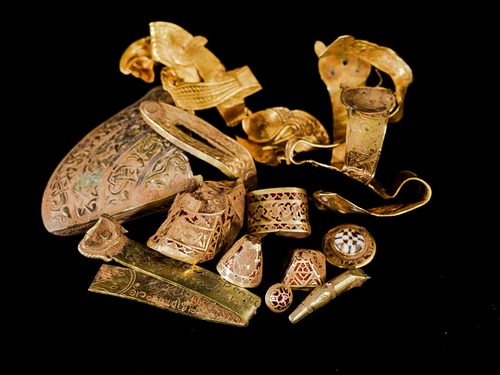
Ninth-century Anglo-Saxon silver pennies with a silver chalice, a silver-wire scourge and a group of small dress and belt fittings in gold and silver, many inlaid with niello.
Size: at least 114 coins and a group of metalwork.
| Item | Number | Notes |
|---|---|---|
| Silver pennies | at least 114 | Mostly of Mercian and West Saxon kings; some lost before they could be gathered |
| Chalice | 1 | Silver, with a gilded interior; the only Anglo-Saxon silver chalice surviving from Britain |
| Scourge | 1 | A whip of knitted silver wire with a knotted head |
| Fittings and jewellery | a group | Strap-ends, pins, mounts and a penannular brooch, several decorated with niello animals |
Photographs
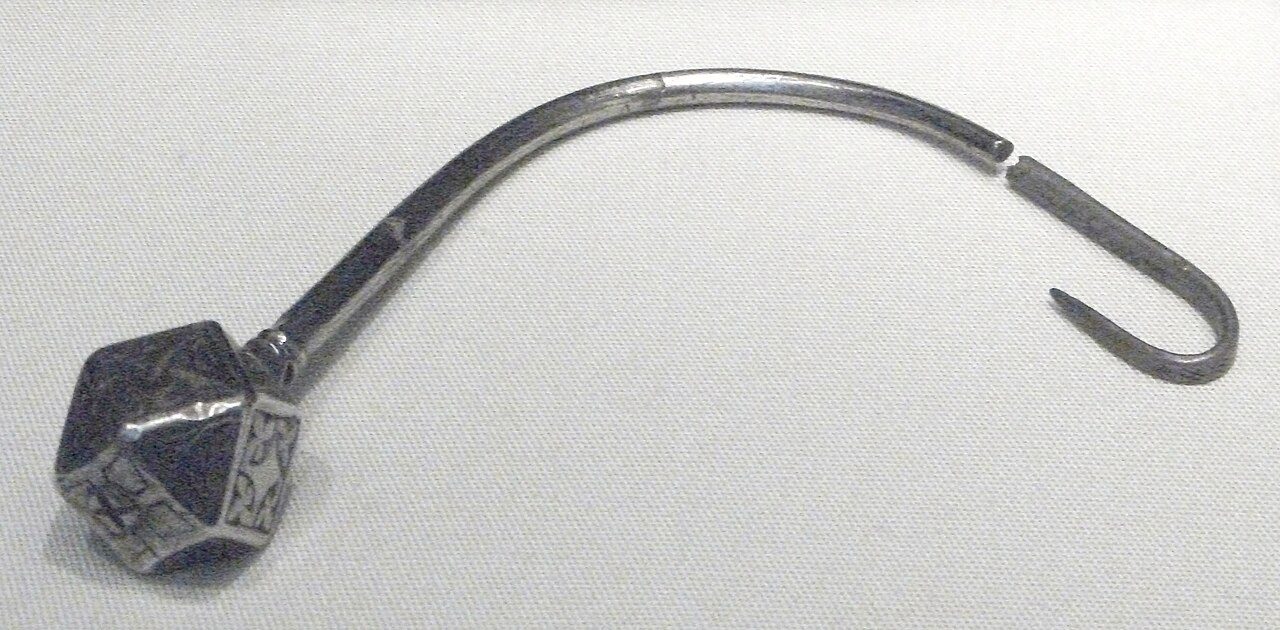
Photo: Johnbod, CC BY-SA 3.0, via Wikimedia Commons
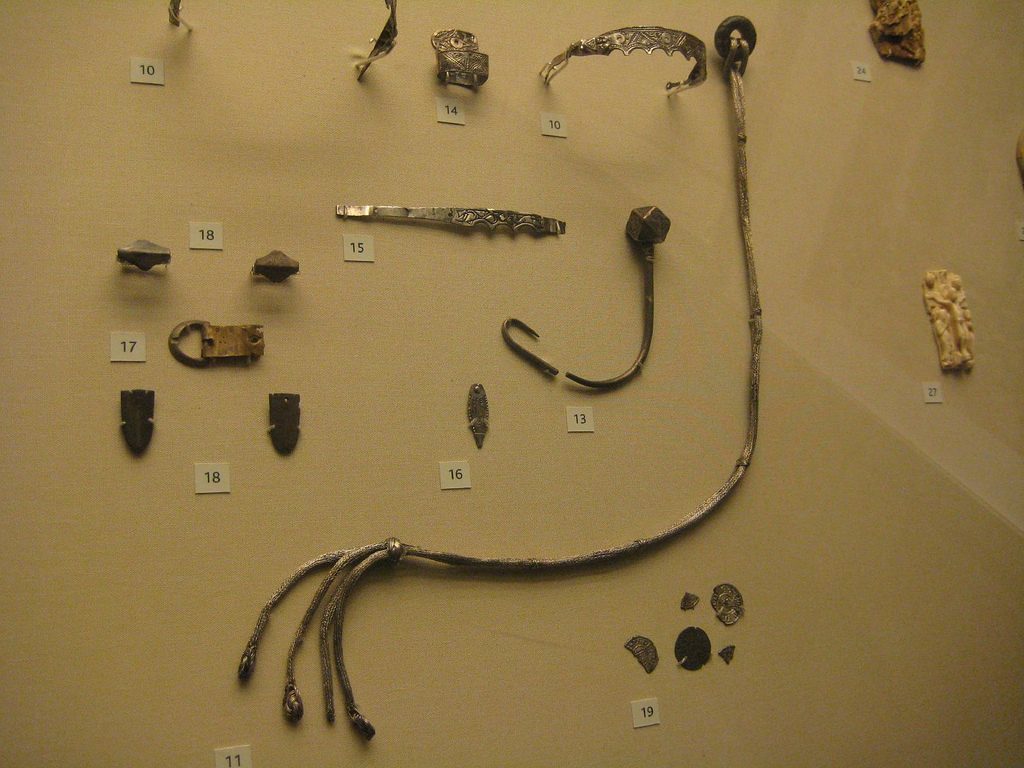
Photo: Claire H. from New York City, USA, CC BY-SA 2.0, via Wikimedia Commons
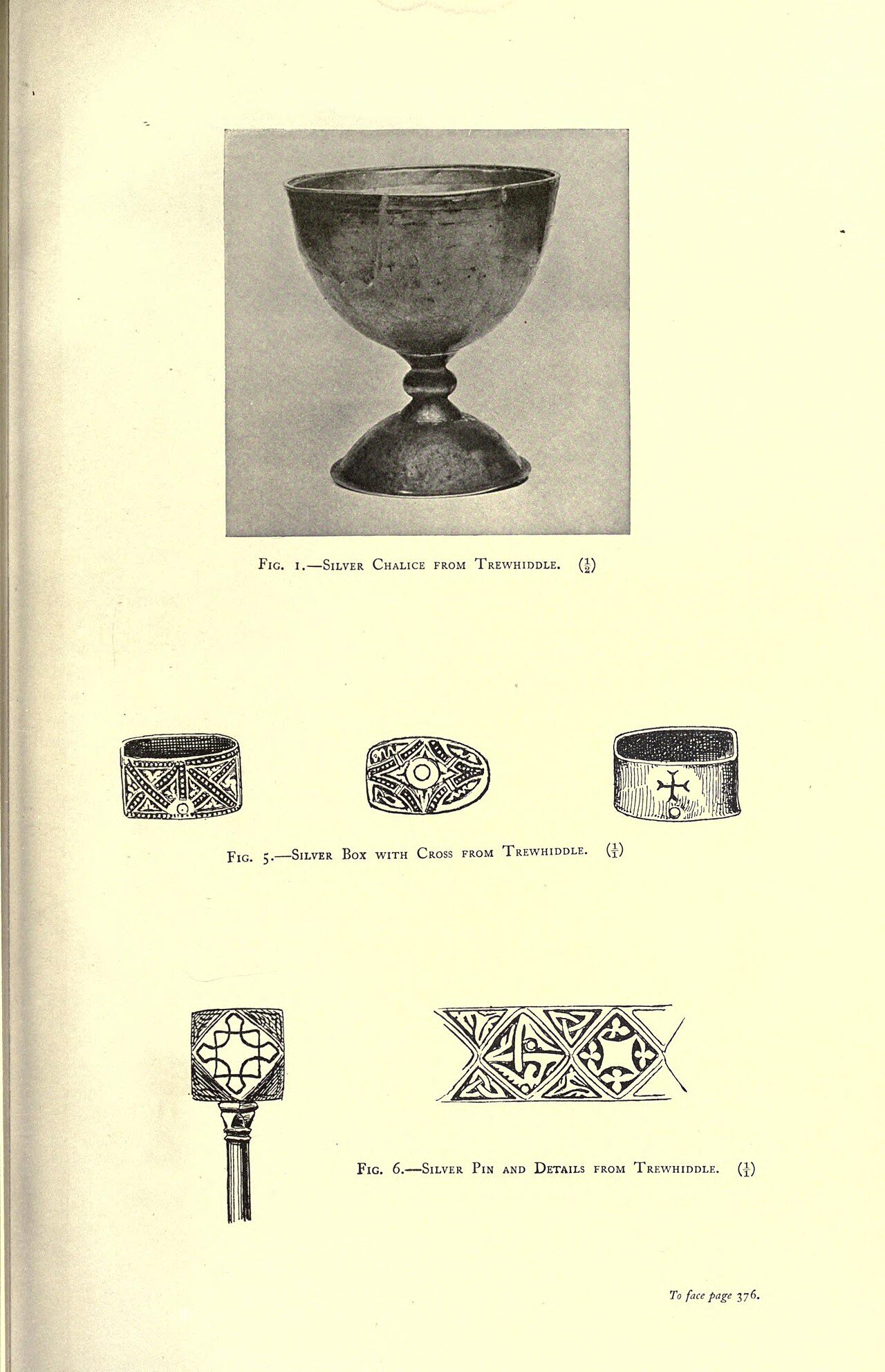
Photo: Page, William, Public domain, via Wikimedia Commons
How it is dated
The latest coins in the hoard, pennies of the Mercian and West Saxon kings, point to concealment around 868. Specialists note that the coin group is not straightforward, and later dates in the early 870s have been suggested. The metalwork itself belongs to the 9th century.
What happened after the find
Found in 1774; no record of a treasure trove inquest was found in the sources consulted. The objects were collected by Philip Rashleigh and most later entered the British Museum.
Where sources differ
- Coin count: 114 on Wikipedia; a Spink catalogue note says 'at least 114' and that about 70 were later at Menabilly. Some coins were lost at the time of discovery.
- Deposit date: c. 868 (Wikipedia; widely accepted) versus c. 872-875 in at least one British Museum record, which calls the coin dating problematic.
- When and how the objects reached the British Museum is not documented in the sources read (registration numbers beginning 1880 appear in BM search results but the BM site could not be opened).
- Current display location in the British Museum not confirmed.
Questions
What is the Trewhiddle style?
It is the name given to 9th-century Anglo-Saxon silver ornament with small engraved animals, leaves and interlace set against black niello. It is named after the metalwork in this hoard.
Where is the Trewhiddle Hoard now?
Most of the surviving objects, including the chalice and the scourge, are in the British Museum in London.
Why was the Trewhiddle Hoard buried?
Its coins date it to around 868, during the campaigns of the Danish Great Army, so it may have been hidden for safety. The chalice and scourge suggest it included church property, but the owner is unknown.