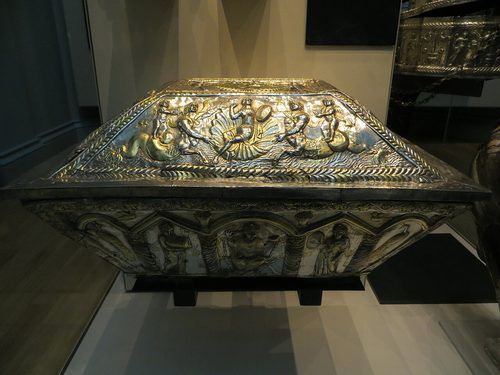
Late in 1961 a mechanical digger was clearing ground for a sports field inside the walls of the late Roman fort at Kaiseraugst, on the Rhine east of Basel. Its bucket tore through a buried hoard of silver and scattered the pieces in the spoil. The driver noticed a metal disc and took it for a discarded shaving bowl. Snow then covered the site, and for weeks nobody realised what was lying there.
Early in 1962 the treasure resurfaced piece by piece. A schoolboy picked up a plate, showed it to his teacher, was told to throw it away, and did so; it was the Ariadne tray, one of the finest pieces. A visitor took home a battered dish because he liked the picture in the middle: the Achilles dish. The landlady of the nearby inn gathered five platters, washed them and stored them in her kitchen. Only when an amateur collector found a lid scratched with the name of a Roman and asked for an expert did the archaeologist Rudolf Laur-Belart take charge, and the landlady's note of a car number plate helped trace the rest.
The recovered treasure was bigger than anyone expected. Then in 1995 a notary contacted the archaeologists: the family of a deceased client wished to sell 18 more pieces, six platters, six plates and six bowls weighing about 22 kg, on condition that the previous holder stayed anonymous. With them the total reached 270 objects and 58 kg of silver, the largest late Roman silver treasure known. Impressions on one tray show that at least one big platter is still missing.
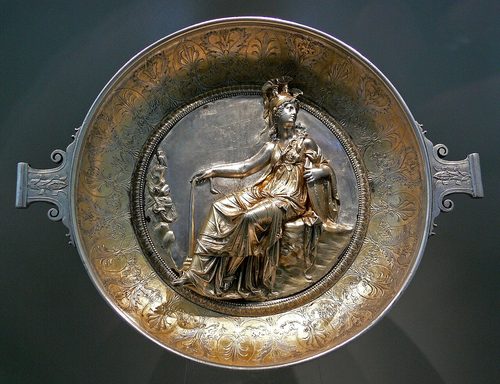
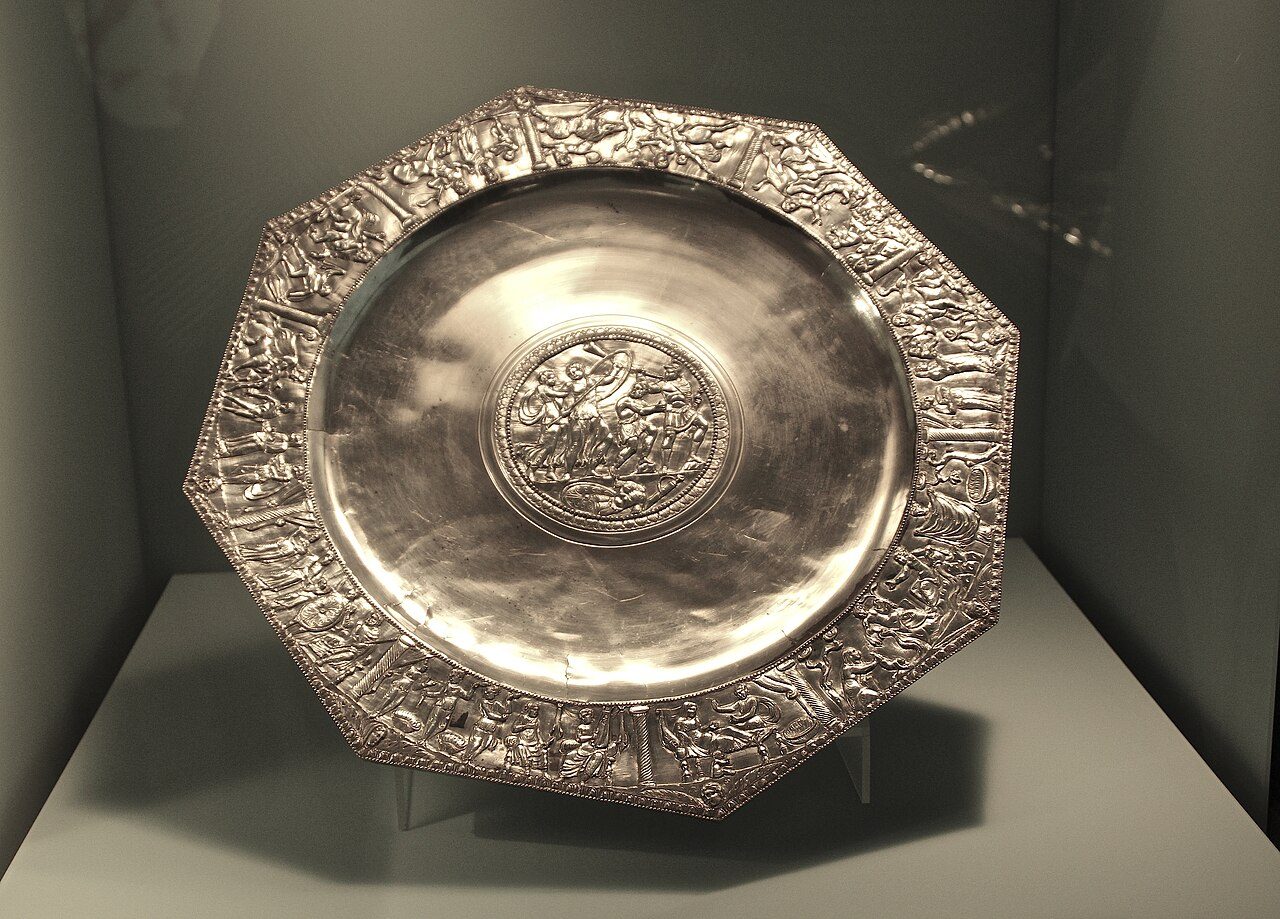
The star is the octagonal Achilles dish, whose rim and centre tell the hero's youth in eleven scenes, from his dipping in the Styx to his unmasking on Skyros. A Greek inscription underneath names its maker, Pausylypos of Thessalonica, one of very few Roman silversmiths known by name. Beside it are the Ariadne tray with Dionysus and a panther, a great niello plate showing a seaside villa with fishing cupids, and a plate issued by the emperor Constans for his tenth jubilee in 342 or 343.
Many pieces were imperial gifts. Emperors handed out silver plate, medallions and ingots to officers and officials on anniversaries and accessions to buy loyalty. The coins and medallions honour the sons of Constantine, and two ingots carry the stamp of Magnentius, who seized power in the West in 350 and killed Constans. A plate inscribed with the name Romulus has led to speculation that the owner was Magnentius' general of that name, killed at the battle of Mursa in 351, though it proves only that a Romulus once owned that plate.
Augusta Raurica reckons the silver was worth a year's pay for 230 legionaries. It was probably buried around 351, amid civil war and Alamannic raids across the Rhine; the fort itself was attacked soon afterwards. Its owners, one or perhaps two senior officers, never returned to dig it up.
Highlights
An octagonal platter with eleven relief scenes from the childhood of Achilles, signed underneath by Pausylypos of Thessalonica.
A rectangular gilded tray with Ariadne, Dionysus and a satyr in the centre and cupids round the edge; once thrown back onto the spoil heap by a schoolboy.
A 59 cm dish with a gilded niello medallion of a villa by the sea and cupids fishing from boats, scratched with the names Aquilinus and Font(...).
An imperial gift plate of 342/343 whose niello inscription celebrates the emperor's ten years of rule and wishes him thirty more; one of the 1995 pieces.
A silver lamp-stand that extends from 78 to 117 cm, decorated with niello and gilding.
What is in it
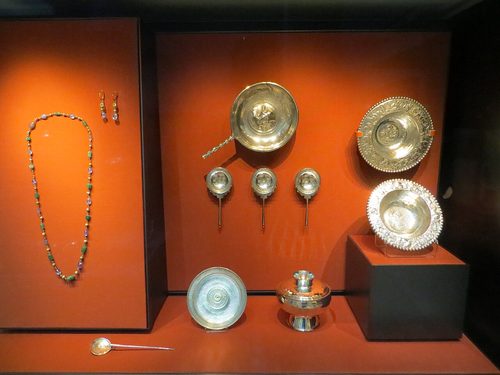
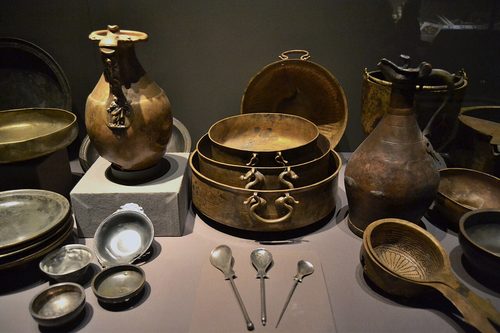
A late Roman officer's or official's silver: great figured platters, bowls, spoons, a folding candelabrum, a Venus statuette, three ingots, and a purse of coins and imperial medallions.
Size: 270 objects. Weight: 58 kg.
| Item | Number | Notes |
|---|---|---|
| Tableware and toilet silver | about 80 | Platters, bowls, beakers, spoons, a candelabrum and a small Venus statuette |
| Coins and medallions | 187 | Silver denarii from 11 mints, Trier best represented, and 17 medallions of the sons of Constantine |
| Silver ingots | 3 | Two stamped with the portrait of Magnentius |
| Pieces returned in 1995 | 18 | Six platters, six plates and six bowls, about 22 kg, kept back in private hands for over 30 years |
Photographs
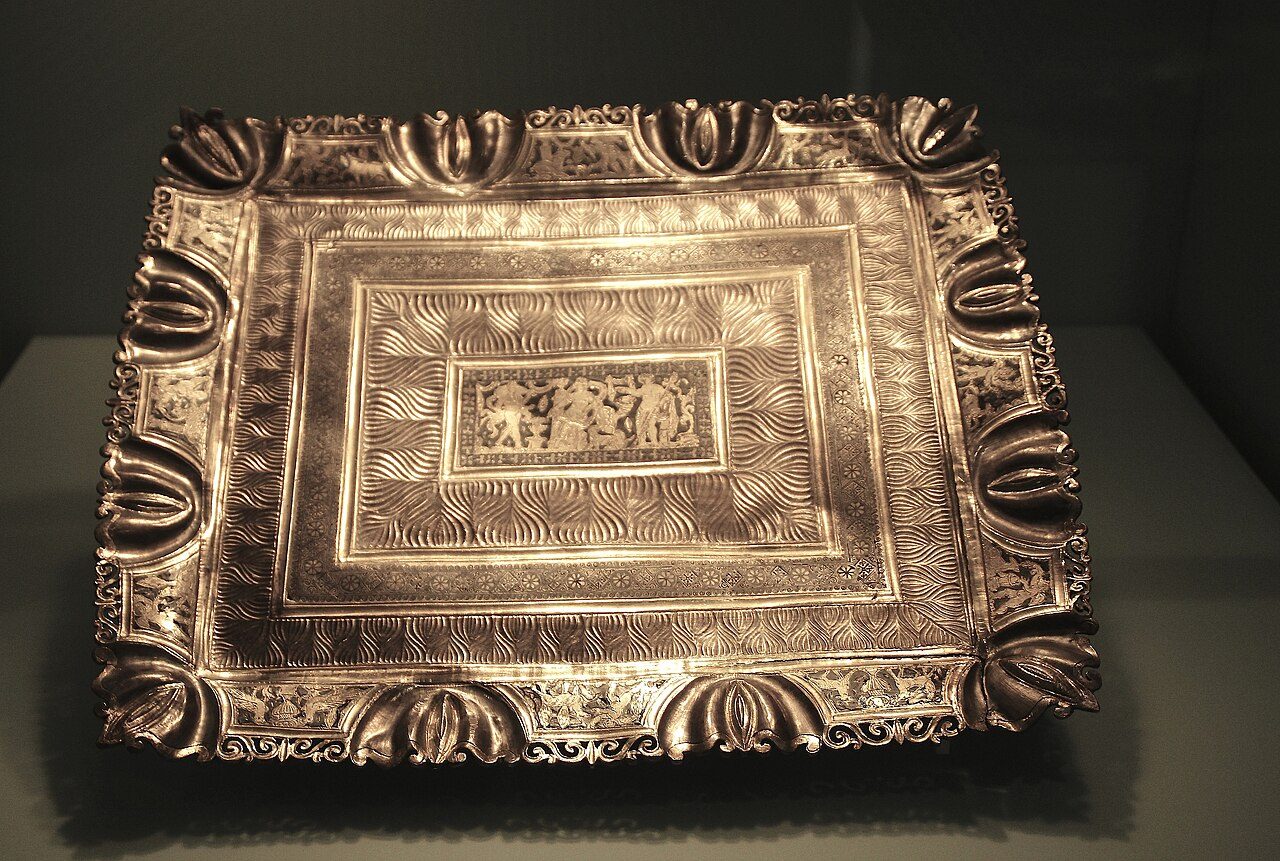
Photo: Adrian Michael, CC BY-SA 3.0, via Wikimedia Commons
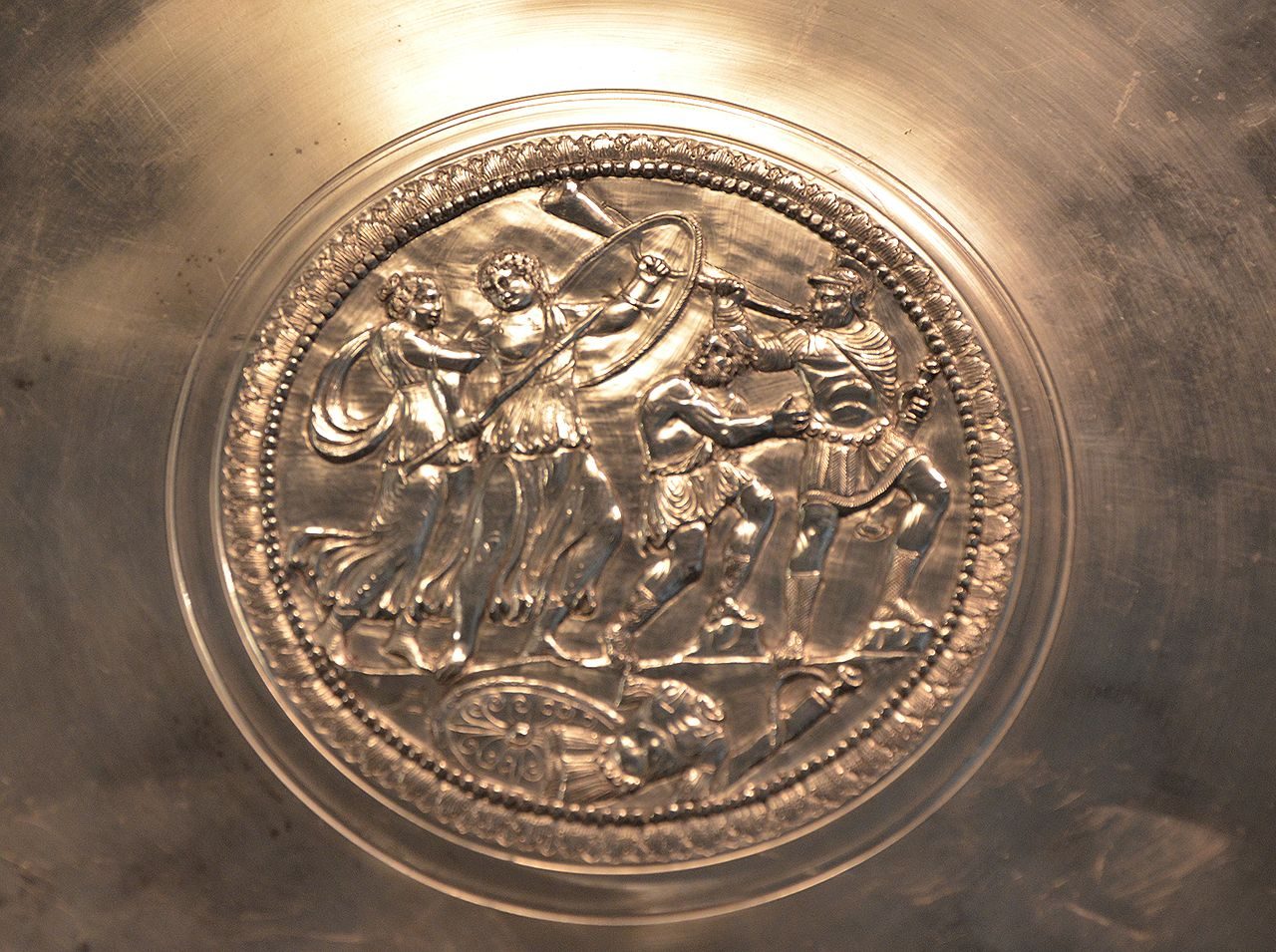
Photo: Carole Raddato from FRANKFURT, Germany, CC BY-SA 2.0, via Wikimedia Commons
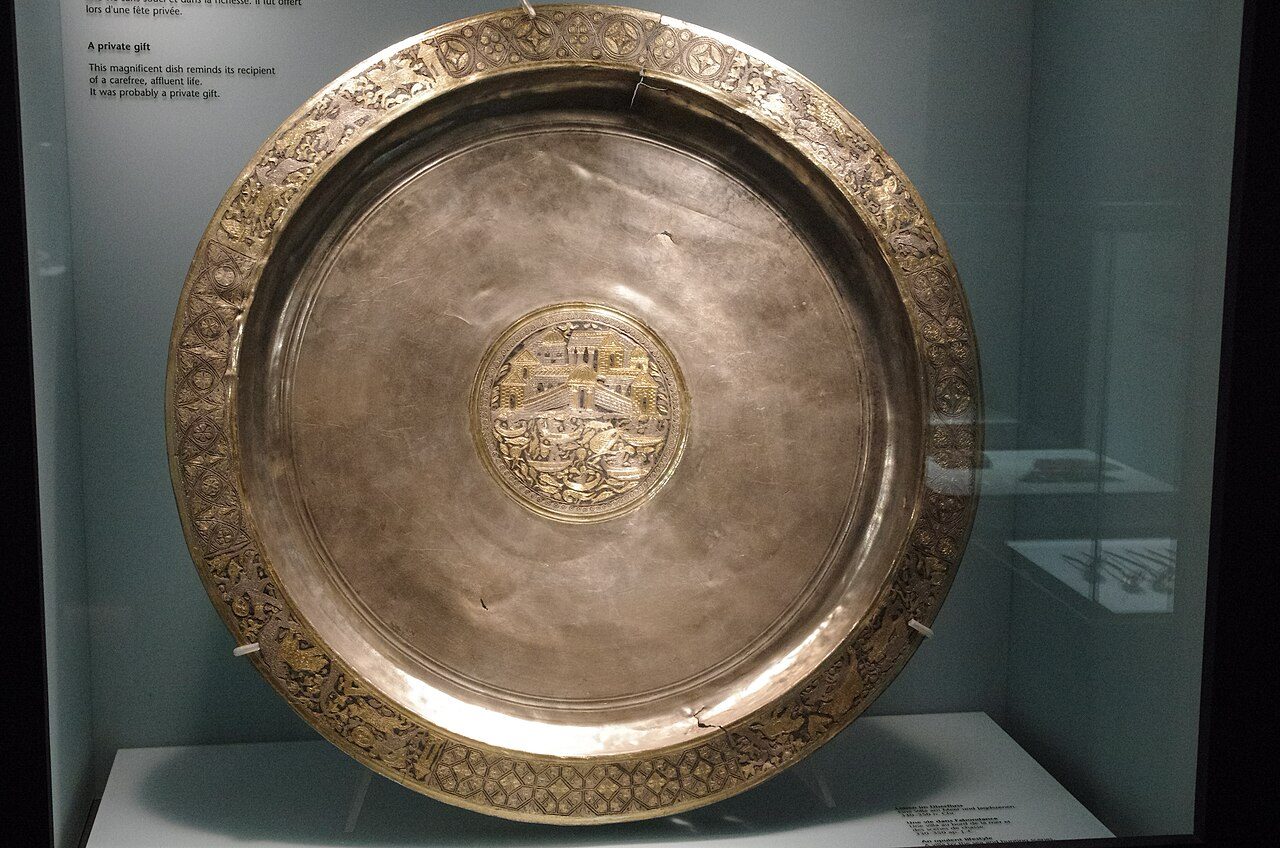
Photo: Unknown, CC BY-SA 3.0, via Wikimedia Commons
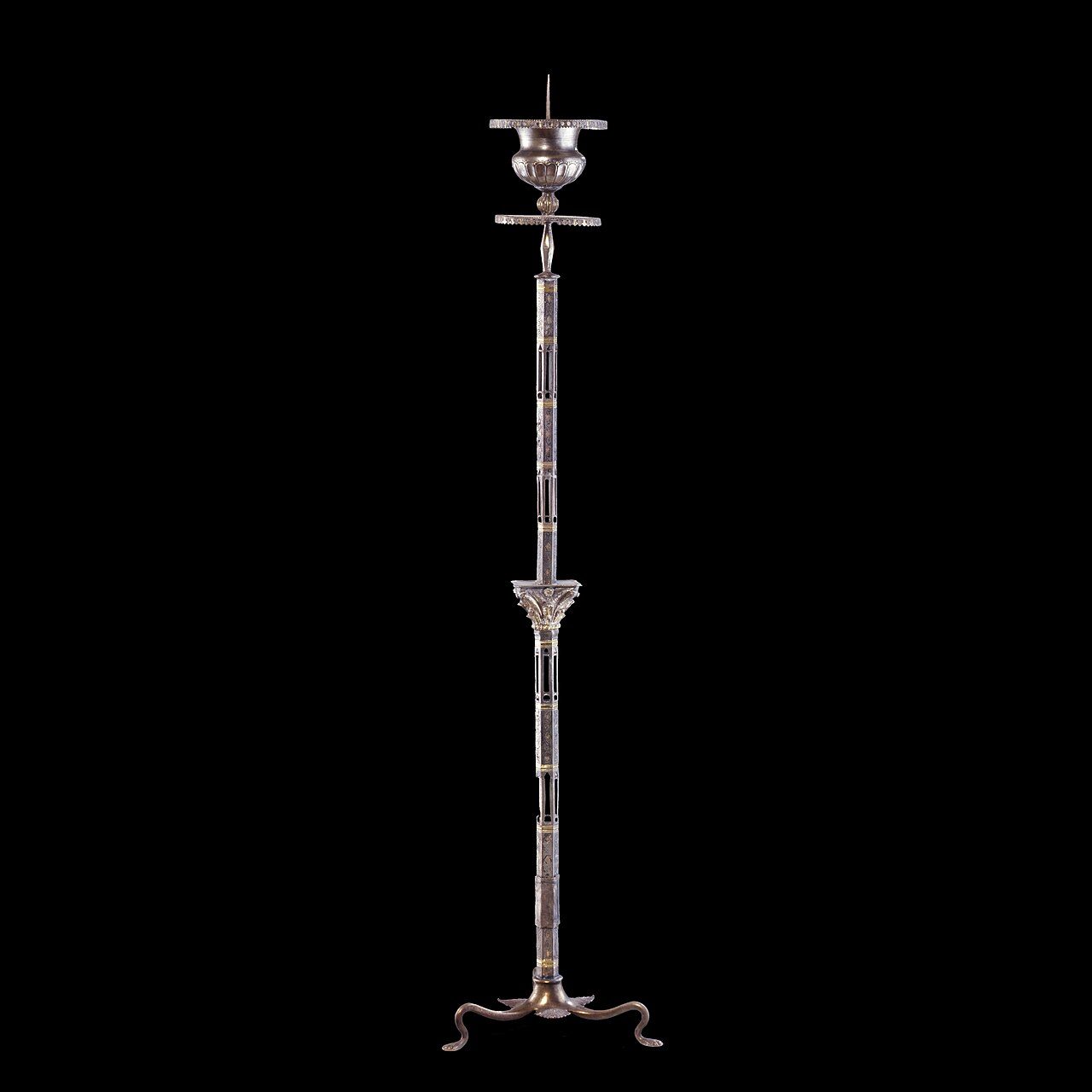
Photo: MunatiaPlancina, CC BY-SA 4.0, via Wikimedia Commons
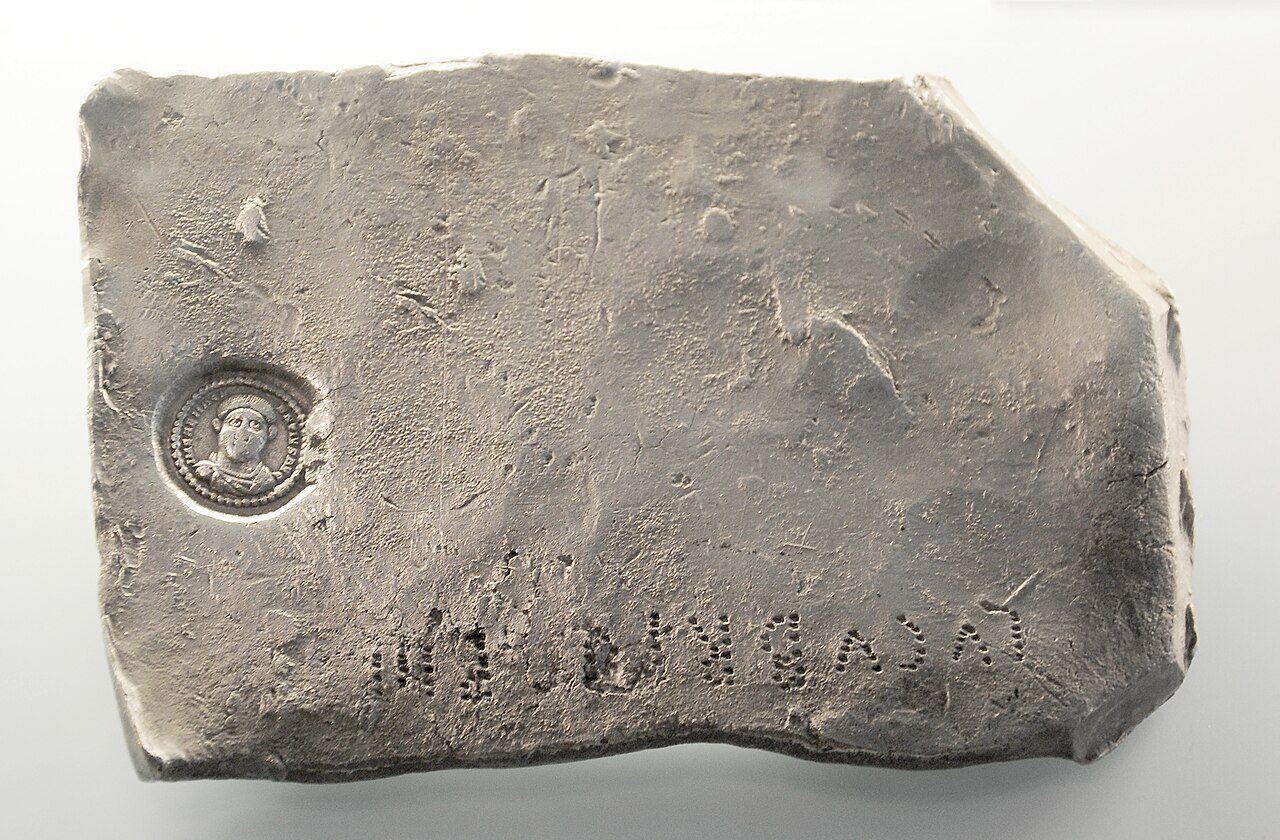
Photo: Amada44, CC BY-SA 3.0, via Wikimedia Commons
How it is dated
The coin series runs from a denarius of Diocletian of 294 to issues of Constantius II of about 350, and there are ingots of Magnentius but no coins of his. That points to burial between Magnentius' seizure of power in 350 and his defeat in 353; Augusta Raurica gives about 351.
What happened after the find
Recovered in 1962 under archaeological supervision after its accidental discovery; it belongs to the canton and is kept by Augusta Raurica. The 18 pieces that surfaced in 1995 were bought from the family of a deceased holder, whose name was kept confidential at their request.
Where sources differ
- The 187 'coins' in German Wikipedia may include the 17 medallions; the split between denarii and medallions should be checked in Cahn and Kaufmann-Heinimann 1984.
- Augusta Raurica gives the burial as about 351; German Wikipedia says 350-353.
- The owner Romulus is a hypothesis based on one inscribed plate.
- The tableware count in the breakdown is my estimate (270 minus coins and ingots); the published inventory should be checked.
Questions
Can you see the Kaiseraugst silver treasure?
Not at present. Augusta Raurica, which owns it, says the treasure is currently not on display in its museum at Augst, but it can be explored online through the museum's website.
Who made the Achilles dish?
A Greek inscription on the underside names Pausylypos of Thessalonica, making it one of the few pieces of Roman silver whose maker and workshop city are known.
Why were 18 pieces only found in 1995?
They had been picked up in 1961-62 and kept privately. In 1995 a notary offered them to the archaeologists on behalf of a deceased client's family, who asked that the holder's name stay secret.